Most of us book the flights, sort the hotel, then spend one evening comparing travel cards — which is why the account your salary lands in gets overlooked until the first statement after a holiday.
That statement is where the truth lives. A week in Spain or a fortnight in Japan can cost you tens of pounds more than it needed to, purely because of how your bank treats spending in another currency. The differences between accounts are easy to spot once you know the three places to look.
The three costs that decide your holiday budget
Every UK current account handles overseas spending differently, but the moving parts are always the same:
- Non-sterling transaction fee — a percentage added to card payments made in a foreign currency.
- Cash withdrawal charges — what your bank charges for taking money out abroad, plus whatever the local ATM operator adds on top.
- The exchange rate — the rate used to convert the transaction, which is rarely the one you saw on a currency converter that morning.
Some accounts waive one or two of these. Very few waive all three, and the ones that do usually make their money elsewhere. Check the terms of the account you actually hold, not the one advertised on the side of a bus.
Non-sterling transaction fees: the quiet percentage
At many high street banks, spending in euros or dollars triggers a fee of a few per cent on top of the purchase. It usually appears as a separate line on your statement — labelled something like "non-sterling transaction fee" or "FX charge" — so it's easy to miss when your balance only shows one total.
Where to find it before you travel
Search your bank's fee summary or the "charges" section of the account terms for the word "non-sterling". If a percentage is listed there, that's your cost. If the account is marketed as fee-free abroad, check carefully whether that applies to card payments, cash withdrawals, or both — the answer is often "card payments only".
One quirk worth knowing: some app-based accounts convert spending at the live rate during the week but apply a markup at weekends and on public holidays, when the currency markets are closed. It barely matters for a Tuesday coffee. It matters a great deal if you're away over a bank holiday weekend.
Cash withdrawals: two charges, not one
Taking cash out abroad can trigger three separate costs at once:
- Your bank's withdrawal fee, which may be a flat amount or a percentage.
- The foreign ATM operator's own charge, shown on the machine's screen before you confirm. Read it every time.
- A monthly or daily cap on fee-free withdrawals, after which charges start.
Even accounts that advertise "no fees abroad" often limit free withdrawals to a set amount each month. If you like a cash float for markets, buses and small cafés, that cap will matter more to you than the headline rate.
A practical habit: withdraw larger sums less often. Three withdrawals of £100 usually cost less than eight of £25 if your bank charges per transaction — and you're less likely to be caught short on a Sunday evening in a town where every machine wants a fee.
Exchange rates and the "pay in pounds?" trap
At the till or the ATM you'll sometimes be offered the choice of paying in pounds rather than the local currency. This is called dynamic currency conversion, and it is almost always the worse deal. The terminal sets its own exchange rate, which typically includes a markup you never see itemised. Choose the local currency and let your bank do the conversion.
The same logic applies to the rate itself. A bank's published travel rate is rarely the mid-market rate you'd find on a currency app. The gap between the two is a cost, even when no fee is listed. If a provider advertises the real mid-market rate, that's a genuine advantage — just check whether it holds at weekends.
Perks that earn their keep
Packaged current accounts charge a monthly fee in exchange for extras, often including travel insurance, breakdown cover and fee-free overseas spending. Whether that's worthwhile depends entirely on whether you'd buy those things separately.
- Travel insurance: check the age limits, trip-length cap, excess and whether pre-existing medical conditions are covered. A policy bundled into a monthly account is poor value if it excludes the one thing you need.
- No fees abroad: genuinely useful, and often the single reason to switch.
- Lounge access or concierge lines: pleasant, but rarely worth a monthly fee on their own.
- Credit cards still matter: purchases over £100 made on a credit card come with Section 75 protection if something goes wrong, which debit cards don't offer. Many travellers use both — debit for cash, credit for big purchases.
A packaged account only pays off if you'd buy the insurance anyway. If you're unsure whether a policy covers you, ask the provider directly or take regulated advice. This is general information, not financial advice.
How to compare accounts in half an hour
- Write down how you actually travel: one trip a year or six? Cash-heavy or card-only? That answers most of the question before you open a single comparison page.
- Check your current bank's fee summary for non-sterling transaction fees and withdrawal charges.
- Note any monthly caps on free withdrawals, and what happens once you exceed them.
- Look at the exchange rate policy — mid-market or marked-up, and does it change at weekends?
- Add up any monthly account fee and compare it with what you'd pay in charges over a year.
- If insurance is bundled, read the policy summary rather than the marketing page.
- Keep a backup card from a different provider. Cards get blocked, machines get swallowed, and a spare in a separate bag has rescued many a holiday.
Before you fly
Five minutes of admin saves a lot of phone calls from abroad:
- Turn the card on in your banking app if it's been frozen for inactivity.
- Set a travel notice if your bank asks for one.
- Save your bank's overseas contact number — a UK freephone number is useless in another country.
- Carry a little local currency for the first taxi or bus, so you're not hunting for an ATM on arrival.
None of this requires changing banks. But if your current account charges you every time you tap a card in another currency, and travel is part of your normal year, the comparison is worth doing. The money you save is a decent dinner — every trip.
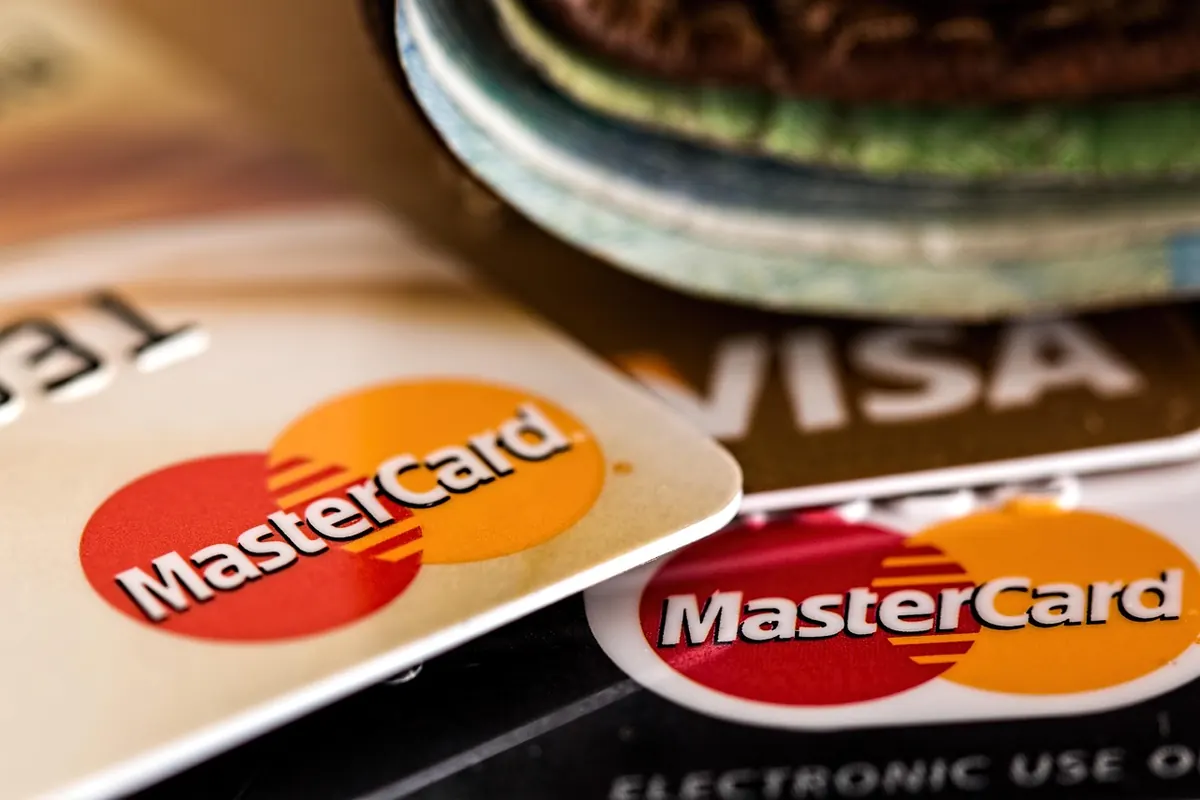
Photo: stevepb / Pixabay