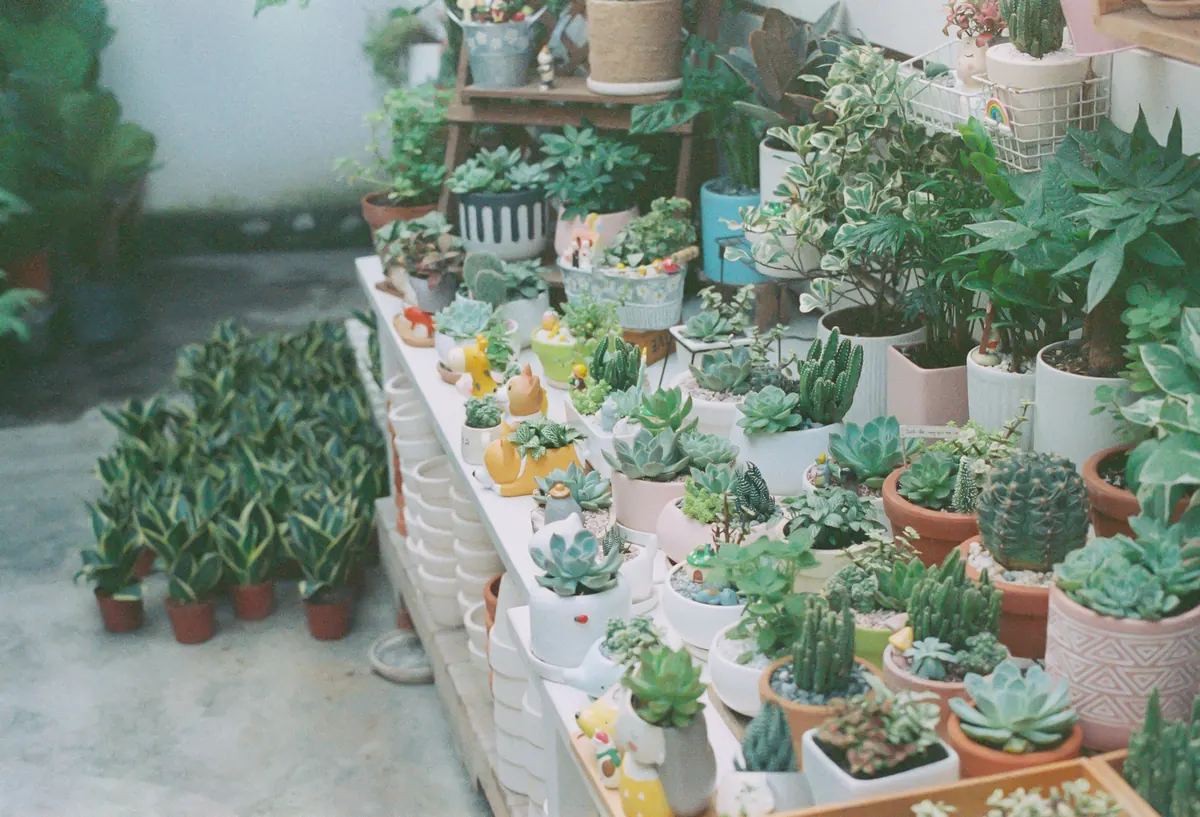
A small garden doesn't need a big budget. It needs a calendar. The difference between a plot that looks tired by July and one that keeps feeding you until autumn is mostly timing: doing small jobs at the right moment, using what's already lying around, and growing things that suit a modest space. What follows is a working year for a compact UK garden, from January planning to December bed-making. No van, no landscaper, no weekend lost to a garden centre.
January and February: plan, repair, reclaim
Don't buy anything yet. Walk the garden and watch where the sun lands through the day; in winter the low angle shows you which corners will be shaded in summer. A rough sketch on graph paper, with the patio, the bins and the neighbour's fence marked in, saves money later because you stop buying plants for spots where they'll sulk.
Then start on maintenance. Wash old pots and seed trays in hot soapy water, sharpen the secateurs, and give wooden handles a wipe of oil. Sort your seed packets and test the doubtful ones: a few seeds on damp kitchen paper on a saucer will show you within a fortnight whether they're worth sowing. Chit first early potatoes in an egg box on a cool, bright windowsill, and order seeds in one sitting, choosing varieties you actually eat.
Free containers hide everywhere. Tins, mushroom trays, yoghurt pots and leaking buckets all work once you've punched drainage holes with an old screwdriver and a hammer. Check the wood stamp on pallets, too: HT (heat treated) is fine around food, MB (methyl bromide) is one to leave alone.
Jobs worth doing now
- Prune apples and pears while they're dormant, then mulch fruit bushes with your own compost.
- Fix fences, gates and raised beds before the growing season swallows your weekends.
- Ask neighbours or join a seed swap — half a packet of beans is more useful than a whole one you'll never finish.
March: soil, first sowings and cheap cover
Top up beds with a couple of inches of compost and let the worms do the digging. Direct sow the tough stuff — broad beans, spinach, radish, hardy salad leaves — and cover with fleece or a cloche made from a cut-down plastic bottle. Start tomatoes and peppers indoors on a bright windowsill; they want warmth, not a greenhouse.
Sowing in modules saves seed and lets you pick the strongest seedlings. Label everything, including the date. You will forget.
April: planting out and pots that earn their place
Frost is still a real risk across most of the UK, so harden plants off before they go outside.
- Put seedlings in a sheltered spot for an hour on day one.
- Add an hour or two each day, bringing them in at night.
- After about a week, leave them out overnight if the forecast is mild.
Plant out hardy crops and start potatoes in bags or old compost sacks. Herbs are the best value plants in a small garden: mint in its own pot so it doesn't take over, thyme and rosemary in a sunny gap, chives along a path edge. Mulch everything to hold moisture, and start a bucket of nettle or comfrey feed — leaves in water, lid firmly on, then diluted to roughly one part feed to ten parts water when it's ready.
May and June: colour, crops and free water
Once the last frost has passed — late April on the south coast, often early June in northern Scotland — the tender crops can go out: courgettes, climbing beans, tomatoes, basil. Sow salad, radish and coriander little and often rather than all at once; a short row every two or three weeks keeps the kitchen supplied.
Water in the morning, at the roots, and mulch to slow evaporation. A water butt pays for itself quickly, and a bucket in the shower catching the cold water before it runs hot is free irrigation. Twiggy prunings from hazel or birch make excellent pea sticks and plant supports, and deadheading weekly keeps flowers going for months.
July and August: keep it cropping
Pick courgettes and beans while they're small; plants left to swell up stop producing. Feed tomatoes weekly and check under leaves for aphids and whitefly — a spray of water and a squashed finger deal with most problems, while a few flowers left to seed bring in the hoverflies that eat the rest.
This is the month to sow for winter: kale, chard, winter salad leaves and oriental greens. Take cuttings of mint, rosemary and lavender, pot them up, and you'll have free replacements and gifts by autumn.
September and October: sow, store, upcycle
Plant garlic and overwintering broad beans. Autumn is bare-root season, which is by far the cheapest way to buy fruit bushes, roses and hedging — they settle into warm soil better now than in spring. Buy bulbs in mixed bags and layer them in one large pot: tulips deepest, then daffodils, then small crocus near the surface.
Gather fallen leaves into an old compost bag with a few holes punched in it and leave it behind the shed for a year to make leaf mould. An old window frame balanced on bricks becomes a cold frame. If you rent, check your tenancy agreement before fixing anything to a wall.
November and December: put it to bed
Clean, sharpen and oil tools before storage. Empty and scrub pots, mulch beds, and finish any pruning. Then sit down with a mug of tea and a notebook and write down what actually worked: which tomato cropped, which corner stayed wet, which seed packet was a waste. That page is worth more next spring than anything you could buy.
Where to spend, where to save
Spend on compost, good seed and one reliable pair of secateurs. Save on everything else, because containers, supports, feed and mulch can nearly all come from what you already own or what neighbours are throwing out. Choose plants that earn their keep in a small space — herbs, cut-and-come-again salad, ch
Photo: Mạnh Hùng / Pexels