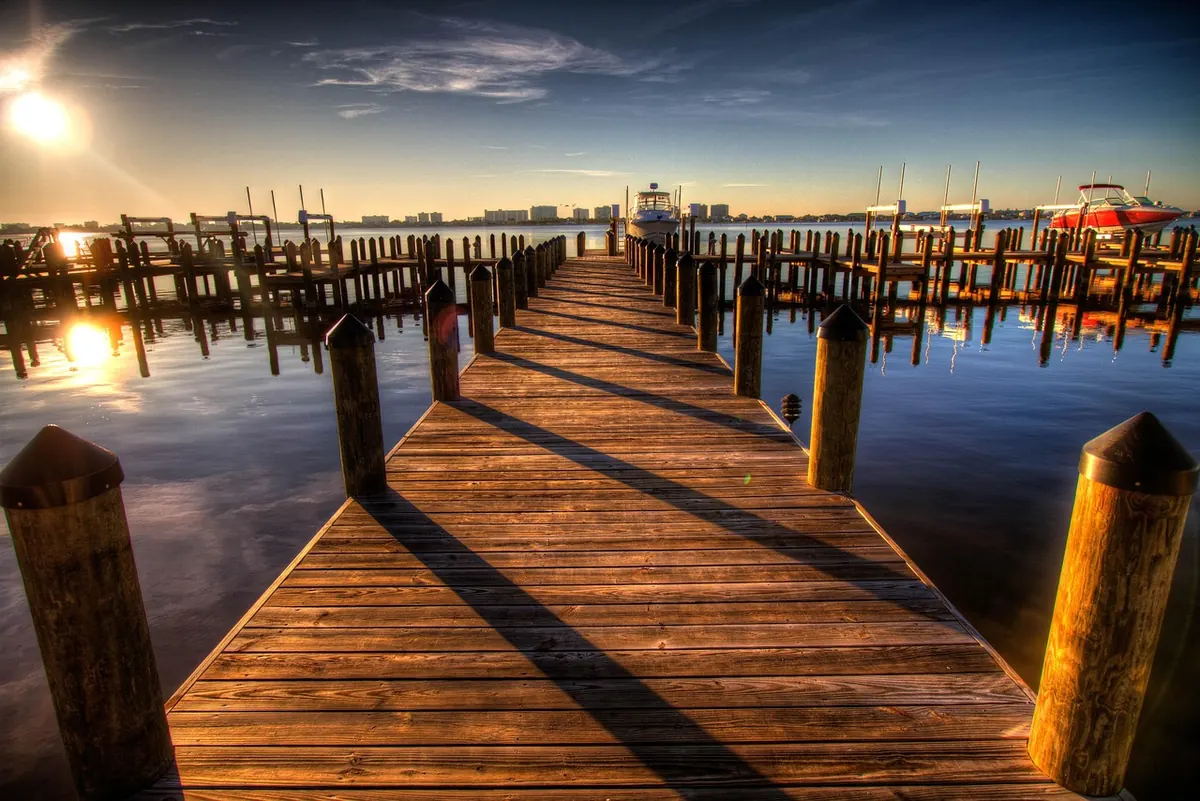
A wet day at the seaside is not a write-off. It is simply a different day: the promenade half empty, the chip shop queue short, and every museum, arcade and tea room suddenly worth taking seriously. England has a long tradition of coastal towns that work in the rain — places where the pier has a roof over part of it, the local museum is genuinely good, and there is a pot of tea within a hundred yards of the car park. Here are eight towns, grouped roughly by coast, with indoor plans that hold up when the forecast changes its mind.
What to check before you go
Coastal towns run on season. A few minutes of checking saves a wasted afternoon in a closed foyer.
- Opening days. Many smaller museums shut on Mondays and drop to weekend-only hours between October and Easter.
- Whether the pier is covered. Some have arcades, theatres and cafés under a roof; others are open decking and miserable in a squall.
- Show times. End-of-pier theatres and repertory houses sell out on wet weekends, so book a day ahead.
- Parking with shelter. A multi-storey near the front saves you and your coat the walk.
- Coins. Arcades still run on them, and change machines break.
Brighton, East Sussex
Brighton solves a rainy day almost too easily, because the best of it is indoors. The Royal Pavilion is the headline act: a Regency pleasure palace of domes and dragons, warm, dry and strange enough to keep anyone occupied for an hour and a half. Under the seafront arches, the aquarium in its old Victorian surroundings makes a dark, atmospheric stop, and Brighton Museum & Art Gallery in the Pavilion Gardens fills the gap between the two. Then the pier: Brighton Palace Pier has arcades, a covered stretch and food under shelter, though the open deck in a squall is another matter. Finish in the North Laine, where the cafés are small, busy and steam up the windows.
Whitby and Scarborough, North Yorkshire
Whitby
Whitby's rain plan is compact and excellent. The Captain Cook Memorial Museum occupies the attic rooms of a house on Grape Lane where the young Cook lodged, and it is small enough to get crowded, so go early. Whitby Museum, up in Pannett Park, is a proper old-fashioned cabinet of curiosities: jet carvings, fossils from the local cliffs and stranger things besides. English Heritage's visitor centre below the abbey gives shelter and context when the ruins themselves are a washout. Afterwards, buy smoked kippers from a Church Street smokehouse and eat them somewhere dry.
Scarborough
Scarborough has the Rotunda, a handsome circular building on the cliff that began life as a geological museum and still holds a fine fossil collection. Scarborough Art Gallery next door is small and often quiet, and the Stephen Joseph Theatre offers a matinee if the weather has ruined the day entirely. The covered market in the town centre is a good place to kill half an hour over tea.
Blackpool, Lancashire
Blackpool is built for poor weather and always has been. North Pier is the oldest of the three and the most useful in the rain, with a theatre and indoor amusements along its length. The Winter Gardens is the town's great Victorian indoor complex: theatres, a baronial hall and the Empress Ballroom, all under one roof. Blackpool Tower keeps you busy for hours with the ballroom, the circus and the viewing platforms, and the Golden Mile's arcades will absorb any remaining coins. The Grundy Art Gallery is the quiet alternative when you have heard enough fruit machines.
The south coast: Portsmouth and Bournemouth
Portsmouth's Historic Dockyard is a full wet day on its own. The Mary Rose Museum wraps a preserved Tudor warship in a climate-controlled shell, HMS Victory and HMS Warrior are both explorable under cover, and the National Museum of the Royal Navy ties the story together. The Spinnaker Tower has indoor viewing decks, which is the only sensible way to look at a grey Solent.
Bournemouth's best rainy stop is the Russell-Cotes Art Gallery & Museum, a Victorian villa on the East Cliff packed with the founders' paintings, sculpture and souvenirs, with sea views from the windows. The Pavilion theatre takes the evening, and the seafront aquarium fills an afternoon with children in tow.
Norfolk: Cromer and Great Yarmouth
Cromer's pier is one of the last with a theatre on the end of it, so a wet afternoon can become a matinee with the sea underneath you. The town museum, in an old fisherman's cottage, holds a serious fossil collection, and the RNLI museum tells the story of Henry Blogg, the most decorated lifeboat coxswain. In Great Yarmouth, the Time and Tide Museum, set in a former herring curing works, is the best indoor introduction to the town's fishing past, and the narrow Row Houses nearby are quick but memorable. The Hippodrome's water circus is a seasonal fixture, so check the calendar before building a day around it.
Plan two indoor stops with one short walk between them. Coastal rain rarely settles for the whole day, and a dry hour usually turns up when you need it.
Practical notes for a wet coast day
Dress for the walk between venues rather than the venues themselves: waterproof shoes matter more than a coat, and wet promenade paving is slippery. Check tide times if your route crosses a harbour or beach, and stay off exposed piers and harbour walls when the wind is up. Ring ahead or check a venue's own opening hours rather than a directory listing, especially between November and March, when many attractions run reduced weeks. Book a table for tea if you are a group; seaside cafés fill fast in the rain, and the good ones are small. Keep a little cash for arcades and car parks. And leave one thing undone, so there is a reason to come back in the sunshine.