British weather rarely commits. You leave the house in weak sunshine, get caught in a sideways shower at the bus stop, then spend the afternoon in an overheated café wondering why you bothered with a wool coat. Dressing for that is less about owning more and more about owning the right few things in the right order.
A twelve-piece capsule built around layering handles all of it: rain, wind, a damp four degrees in February, a muggy fifteen in April. Every piece works with the others in at least three combinations, and every piece can be worn indoors without making you look like you're dressed for a fell walk.
Here's the plan, the outfits it makes, and the details worth checking before you spend.
Why layering beats buying more
Most British cold is damp cold. Ten degrees with a wet wind off the coast feels colder than a dry five, and it's the sort of chill that seeps through one thick layer. Three thinner layers do a better job: a base that moves moisture away from your skin, a middle that traps warmth, and an outer that blocks wind and rain. When the sun appears at lunchtime, you remove one. When you step into a warm pub, you remove another and still look presentable.
That's the point of a capsule. Fewer pieces that all talk to each other, and enough combinations that you stop staring into a full wardrobe with nothing to wear. It also means spending on the things that matter: one good waterproof shell and one good wool coat will outlast five cheap jackets that soak through by October.
The twelve pieces
Outer layers
- 1. A waterproof hooded shell — mid-thigh or knee length, taped seams, adjustable hood. This is your rain answer and your wind answer. Length matters more than you think: a short jacket leaves your trousers soaked from the knee down.
- 2. A wool-blend overcoat — single-breasted, in camel, charcoal or navy, cut roomy enough to fit a jumper and a gilet underneath. Wool shrugs off light drizzle and keeps some warmth even when slightly damp.
- 3. A packable quilted gilet — the piece that makes a mild coat work in January. It rolls into a tote bag and disappears under the overcoat when the temperature drops.
Mid layers
- 4. A chunky lambswool jumper — crew neck, slightly oversized, in oatmeal, grey or navy.
- 5. A fine-knit cardigan — thinner, smarter, and the layer you keep on indoors.
- 6 and 7. Two fine merino base layers — long-sleeved, thin, close to the body. These are what make a cold snap bearable under a shirt or a dress.
Tops and bottoms
- 8. An Oxford cotton shirt — white or pale blue, worn buttoned under a jumper or open over a base layer.
- 9. Dark indigo straight-leg jeans — not the ripped pair, not the skinny pair. Straight legs sit over boots and dry faster than you'd expect.
- 10. Wool-blend tailored trousers — the smart-casual workhorse, and the thing that turns a jumper into an outfit.
- 11. A jersey midi dress or skirt — opaque, comfortable, and easy to layer tights under in winter.
Footwear
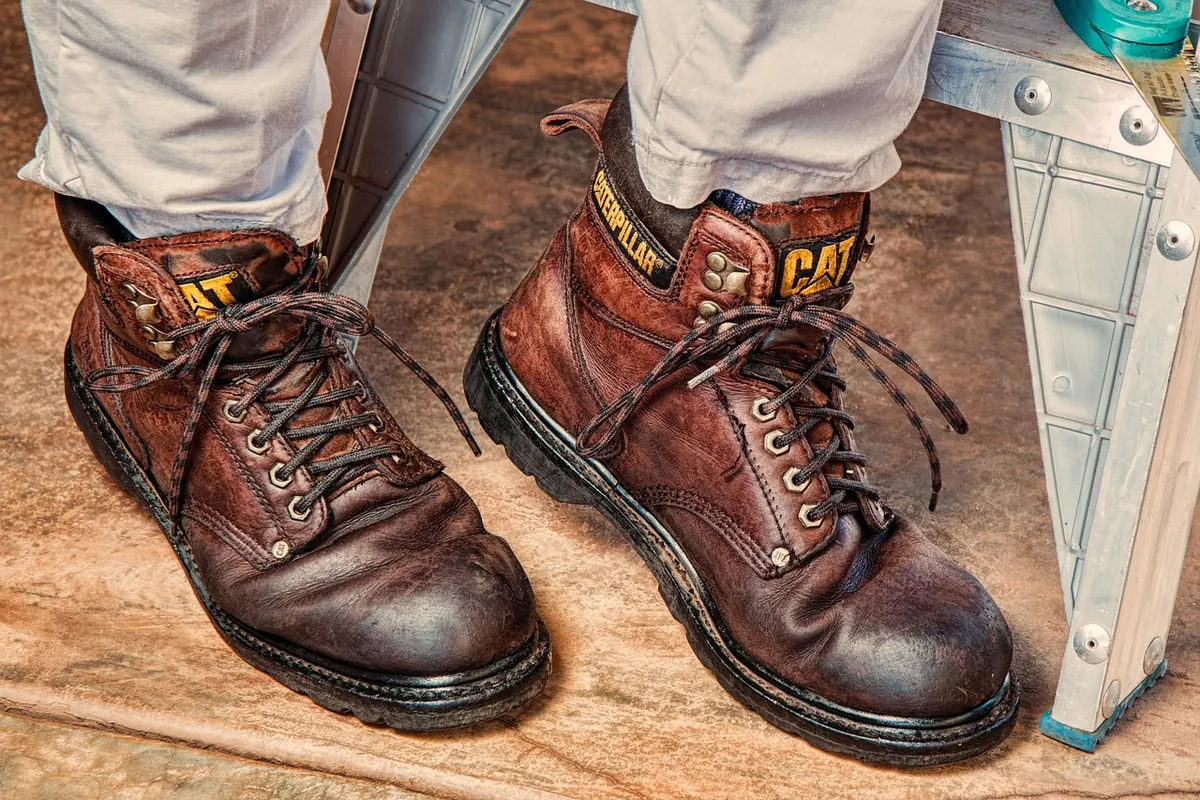
- 12. Treated leather Chelsea boots — low heel, decent tread, and a regular date with a waterproofing spray. Add one pair of waterproof trainers or low walking shoes as your errand-day option.
Accessories aren't counted in the twelve, because they're cheap to swap and easy to find secondhand: a lambswool scarf, thin leather gloves, an umbrella you actually like carrying, and a crossbody bag that keeps your hands free. Socks matter too — cotton socks in wet boots are miserable; wool-blend ones aren't.
Layering formulas for a real British week
Once the pieces are in place, dressing is a set of three decisions, in this order:
- Base: merino layer if it's under about eight degrees or you'll be walking; shirt or dress alone if it's milder.
- Mid: fine cardigan for indoor-heavy days, chunky jumper for outdoors, both on the truly grim ones.
- Outer: wool overcoat for dry cold, waterproof shell for anything with rain in the forecast, gilet under whichever one needs help.
Mild and wet (10–14°C)
Oxford shirt, fine cardigan, waterproof shell. Jeans, Chelsea boots. Roll the cardigan into your bag if the sun comes out.
Damp cold (4–9°C)
Merino base layer, chunky jumper, wool overcoat with the gilet underneath if you'll be standing around. Trousers rather than jeans if you're going anywhere that isn't a supermarket.
Wind and rain, any temperature
Everything above, plus the shell on top. Wind is what defeats wool; the shell is what makes the rest of the wardrobe usable for eight months of the year.
Test your layers by walking briskly for ten minutes. If you're overheating after one shop, you're wearing too much middle layer — not too much coat.
Five smart-casual combinations
- Office or a meeting: merino base, Oxford shirt, tailored trousers, wool overcoat, Chelsea boots.
- Pub lunch: chunky jumper over a shirt collar, jeans, boots, scarf.
- Weekend errands in the rain: base layer, jumper, waterproof shell, jeans, waterproof trainers.
- Dinner somewhere nice: jersey midi dress, cardigan, overcoat, tights, boots.
- Cold walk then a warm café: base layer, gilet under the overcoat, jeans, boots, and the jumper tied round your waist for the indoors bit.
What to check before you buy
On outerwear
Look for taped seams and a hood that tightens, not just a flap. Check the sleeves are long enough to cover your wrists when your arms are out in front of you, which is how you'll actually be standing in the rain. A breathable membrane matters: a non-breathable waterproof over a cotton shirt leaves you clammy by the time you reach the office.
On knitwear
Merino for the fine layers, lambswool or a wool blend for the chunky one. A small amount of nylon or cashmere in the blend isn't a problem; a jumper that's mostly acrylic will pill and go shapeless within a season.
On fit
Every outer layer needs room for the one beneath it. Try coats on over your thickest jumper, and buy the size that fits then — not the size that fits over a t-shirt.
Looking after it, and starting where you are
Wash knitwear rarely, air it often, and fold rather than hang it. Reproof your waterproof once or twice a season with a wash-in or spray treatment, because the water-repellent finish wears off long before the fabric does. Clean and treat leather boots before winter, then again in spring. Wipe the mud off, let them dry away from radiators, and they'll last years.
You almost certainly own three or four of these twelve already. Start by pulling out everything that fits, works in rain, and layers over something else; you may only be missing the shell or the trousers. Then buy one piece at a time, after a fortnight of noticing what you actually reach for. Wool coats, boots and knitwear turn up in charity shops and secondhand listings in good condition, so it's worth looking before you buy new.
Twelve pieces, three layers, and no more standing at the window guessing what the sky is about to do.
Photo: stevepb / Pixabay