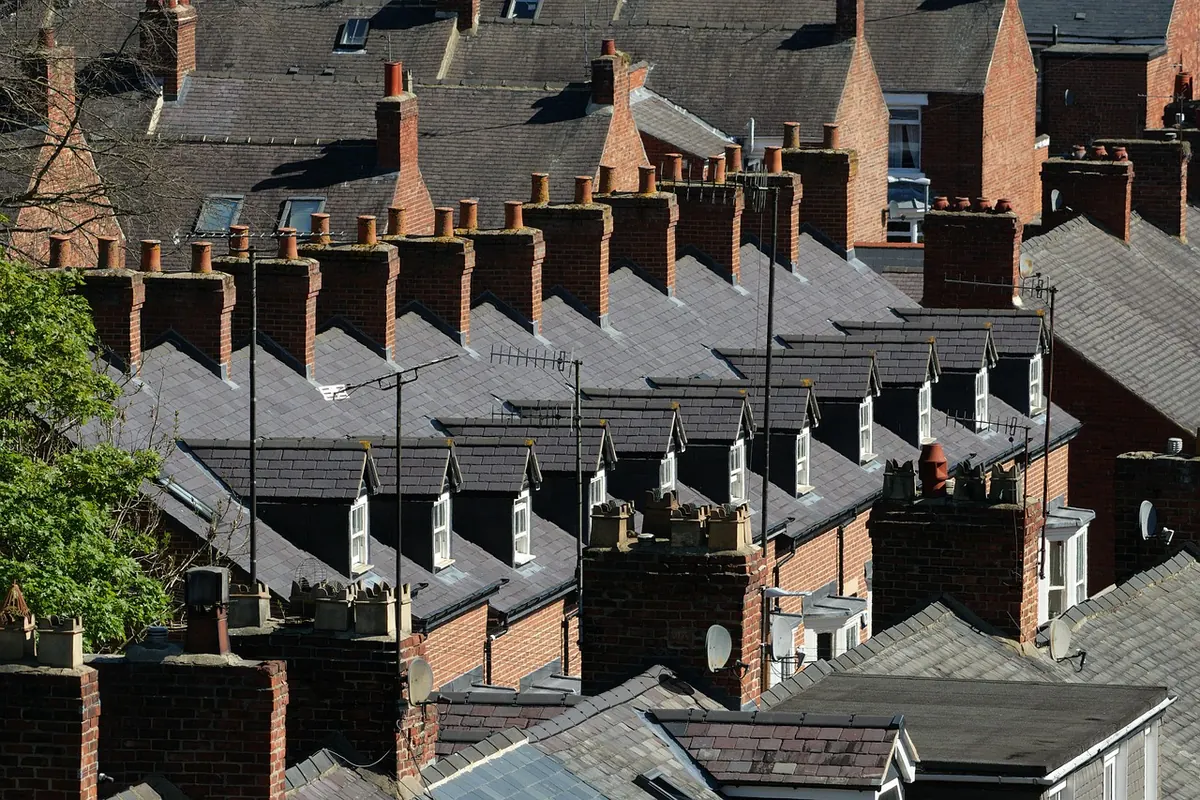
There's a particular kind of cold that only a Victorian terrace produces. It creeps up through the floorboards, whistles round the sash windows, drops down the chimney you never use and follows you along the hall from the front door. The house was built for coal fires, open windows and a family constantly moving about. It was not built for a modern boiler ticking over at 20°C while one person works at a laptop.
The encouraging part is that most of the worthwhile fixes are cheap, reversible and invisible from the street. Do them in the right order and you'll feel the difference before the first frost, without ripping out the cornicing, the picture rails or the wonky original glass.
Find the draughts first
Before you buy anything, spend twenty minutes on a windy day finding out where the cold actually comes from. Hold the back of your hand near window frames, or pass a lit candle slowly round the edges of a sash — a flicker tells you plenty. Work round the house room by room and make a list. Most terraces lose heat in the same handful of places.
- The chimney. An open, unused fireplace is effectively a hole in the roof. A chimney balloon or a wool draught excluder makes a noticeable difference to a front room. If the flue serves a gas fire, wood burner or back boiler, do not block it — and have any gas appliance checked by a Gas Safe registered engineer.
- Sash windows. Gaps appear at the meeting rails, along the staff beads and round the frame. Brush-pile seals sit neatly in the gaps and let the sash still slide; adhesive foam strips are cheaper but can jam a painted sash.
- Doors. A brush strip on the bottom, a foam strip on the frame, a decent letterbox flap, a cover over the keyhole. A heavy interlined curtain across the front door stops the hallway acting as a wind tunnel.
- Floorboards. Gaps between boards and along the skirting let cold air rise. Paper-backed filler or thin wooden slivers work, but leave the boards room to move.
- Loft hatch and pipes. Warm air escapes upward through gaps round the hatch and where pipes and cables pass through ceilings.
One caution: don't seal a room airtight if it has an open flue, a gas appliance, or a persistent condensation problem. Older houses need a little background ventilation, and trapping moisture causes more expensive trouble than a draught ever will.
Secondary glazing that suits sash windows
Replacing original sashes with modern double glazing is often the wrong call, particularly in a conservation area or a listed building, where consent may be needed before you change anything. Secondary glazing keeps the original window and adds a second pane inside it, which cuts both draughts and noise.
There are three sensible levels. Clear acrylic sheets cut to size and held on magnetic tape or clips cost little, come out for summer and are ideal for a bedroom you only heat in winter. Window film kits are even cheaper, last a season, and look exactly as cheap as they are. Professionally fitted secondary glazing — usually slim aluminium frames with sliding panels — performs best and is the option many conservation officers will accept. Check your position with the council before ordering.
Then use what you already have. Heavy lined curtains drawn at dusk and tucked behind a pelmet work surprisingly well, especially if the curtain sits close to the wall rather than dangling over a cold radiator. Original shutters, where you still have them, are worth mending.
Floors, lofts and solid walls
Loft insulation is the easiest win in the house. Top up to the recommended depth, insulate the hatch itself, and lag any exposed hot water pipes. Keep the eaves clear so air can still move through the roof space, and don't insulate directly under a cold water tank.
Ground-floor suspended timber floors are next. Lift a board, insulate between the joists with mineral wool or a breathable wood-fibre product held in place with netting, then put the board back. Leave the air bricks and the sub-floor ventilation path completely clear — blocking them invites damp and rot in the joists.
Solid brick walls are the one job to think about carefully. External insulation can suit some terraces but changes the appearance and may need permission. Internal insulation costs you floor space and, done badly, traps moisture against the brick and rots the ends of the floor joists. If you go this route, use breathable materials — wood fibre, cork, lime-based plasters — rather than cement and gypsum, and get advice from someone who regularly works on older buildings. A surveyor or an experienced period-property builder will tell you whether it's wise for your house.
Run the heating to a schedule
A Victorian terrace with a modern boiler responds well to being heated in short bursts rather than left running all day. Set the programmer to come on before you get up and again before you get home, and let the house drift cooler in between. If someone is at home all day, a lower steady temperature may suit better — the only way to know is to try it for a fortnight and read your meter.
Fit thermostatic radiator valves if you don't have them, and turn down the radiators in rooms you rarely use, but keep a background temperature in there during cold spells to protect pipes and prevent damp. Bleed radiators at the start of the season, avoid putting furniture in front of them, and fit reflector panels behind radiators mounted on solid external walls. If your boiler runs happily with radiators that feel warm rather than scorching, a lower flow temperature will usually use less gas — ask your installer what your system can take.
Where the bigger money goes
A new boiler is rarely the first answer. Have the existing one serviced, sort out the controls so they match your routine, and deal with draughts and insulation before you consider replacing hardware. When you do reach that point — a boiler, insulation, solar panels or a heat pump — check the current grant position on gov.uk or ask an accredited installer, because schemes and eligibility change. If money is tight, your local council's energy advice service and Citizens Advice can point you towards support and grants, and it's worth a call before you spend anything.
A sensible order of work
Start with the free things: chimney stopped, curtains closed, doors shut, radiators bled, schedule set. Then spend a weekend on draught-proofing, working round the house with your list. Add secondary glazing to the coldest two or three windows before the winter. Sort the loft next, then the floors. Leave solid-wall insulation until you've had proper advice.
None of this will make a Victorian terrace behave like a new build, and it shouldn't. It will make it warmer, cheaper to run and easier to live in, while keeping the high ceilings, the sash windows and the reason you wanted the house in the first place.
Photo: Emphyrio / Pixabay